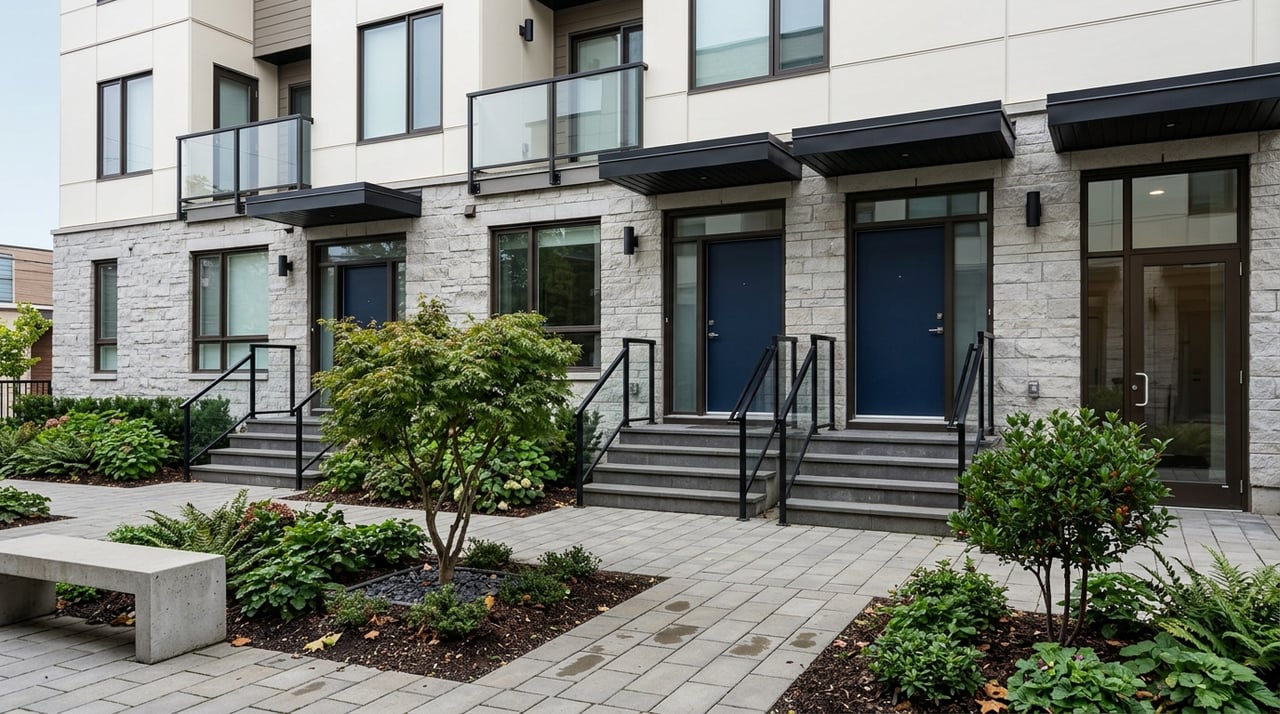
Trying to choose between a condo and a townhome in downtown Kirkland? It is a common question, especially when both options can put you close to Lake Washington, local dining, shops, parks, and a walkable daily routine. If you want the right mix of lifestyle, monthly cost, maintenance, and future resale potential, this guide will help you sort through the tradeoffs with more clarity. Let’s dive in.
Why downtown Kirkland draws buyers
Downtown Kirkland offers a compact, walkable setting that the City of Kirkland plans as a mixed-use urban center with existing or planned high-capacity transit service. In practical terms, that means many buyers are drawn to the ease of getting around on foot and the convenience of living near everyday amenities.
The area is known for its pedestrian-friendly mix of boutiques, coffee shops, dining, parks, arts, and waterfront access. Marina Park is a big part of that appeal, with a sandy beach, boat launch, public art, summer concerts, and views of Lake Washington and Seattle.
That lifestyle helps explain why downtown housing can command a premium. Citywide, Kirkland home values are well above many surrounding markets, and neighborhood figures in Market-Downtown point even higher, although those numbers include more than one property type.
Downtown condo vs townhome basics
Before you compare listings, it helps to understand what you are actually buying. A condominium usually means you own the interior of your unit while sharing ownership of common areas and amenities with other owners through the association.
A townhome usually refers to an attached home that shares one or more walls with neighboring units. In downtown Kirkland, though, the label can get blurry because some homes marketed as townhomes may legally be condominiums.
That is why the marketing description should not be your only guide. You should confirm the legal property type, deed, and governing documents before you make assumptions about ownership, maintenance, or financing.
How the two lifestyles differ
Condo living feels building-centered
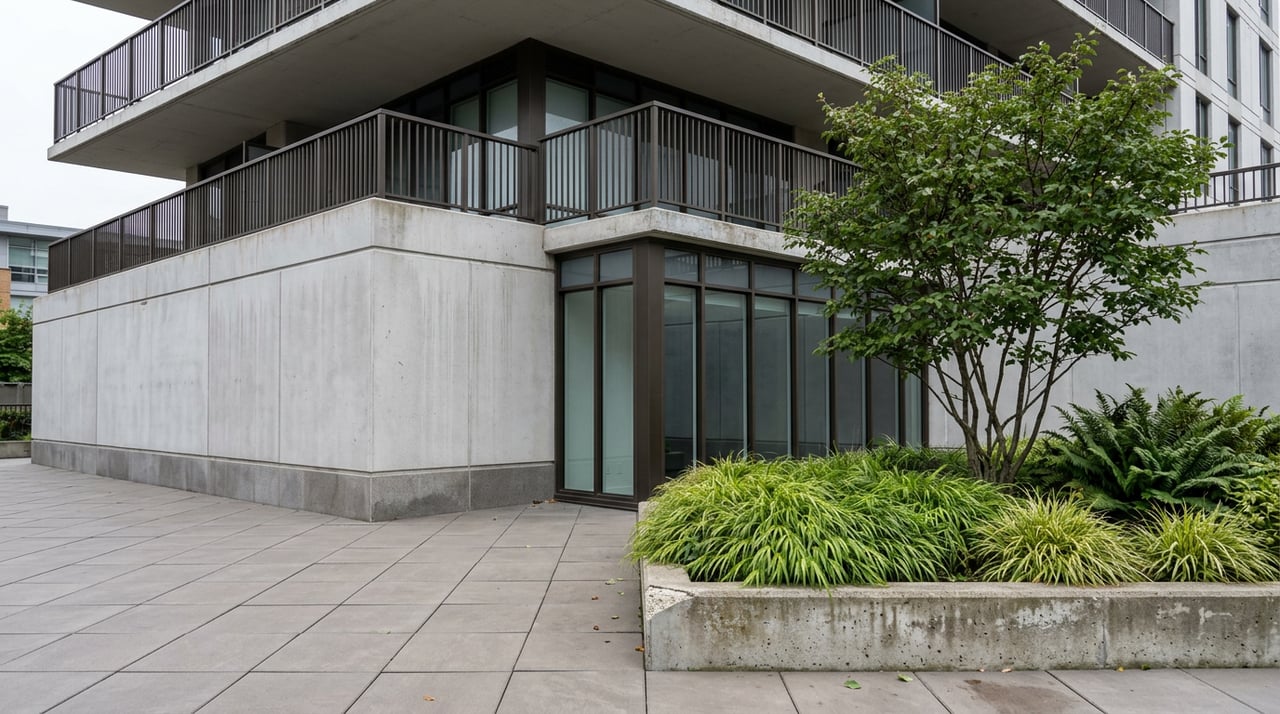
Downtown Kirkland condos often focus on convenience and shared amenities. Current listings show features like secure entry, elevators, rooftop decks, fitness centers, gated garage parking, and on-site building infrastructure.
If you want a true lock-and-leave setup, that can be a major advantage. You may have less exterior maintenance to think about, and the building may offer services or amenities that support a simpler routine.
Townhome living feels more house-like
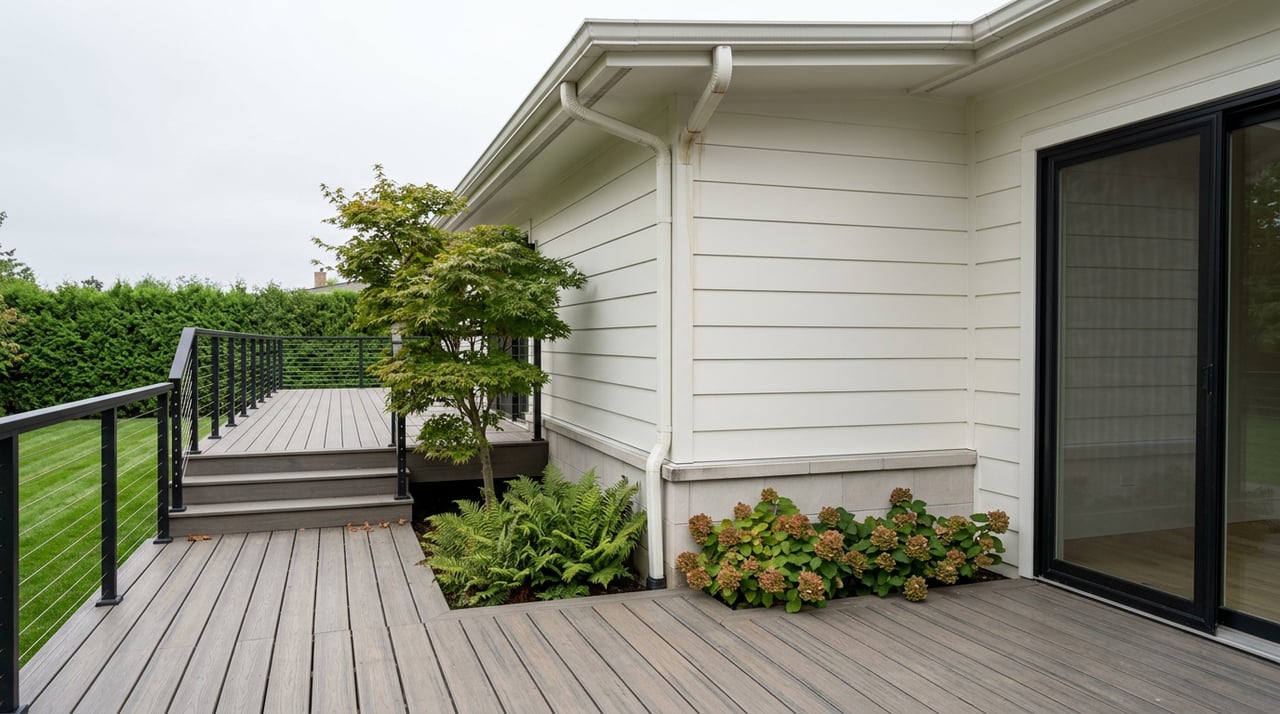
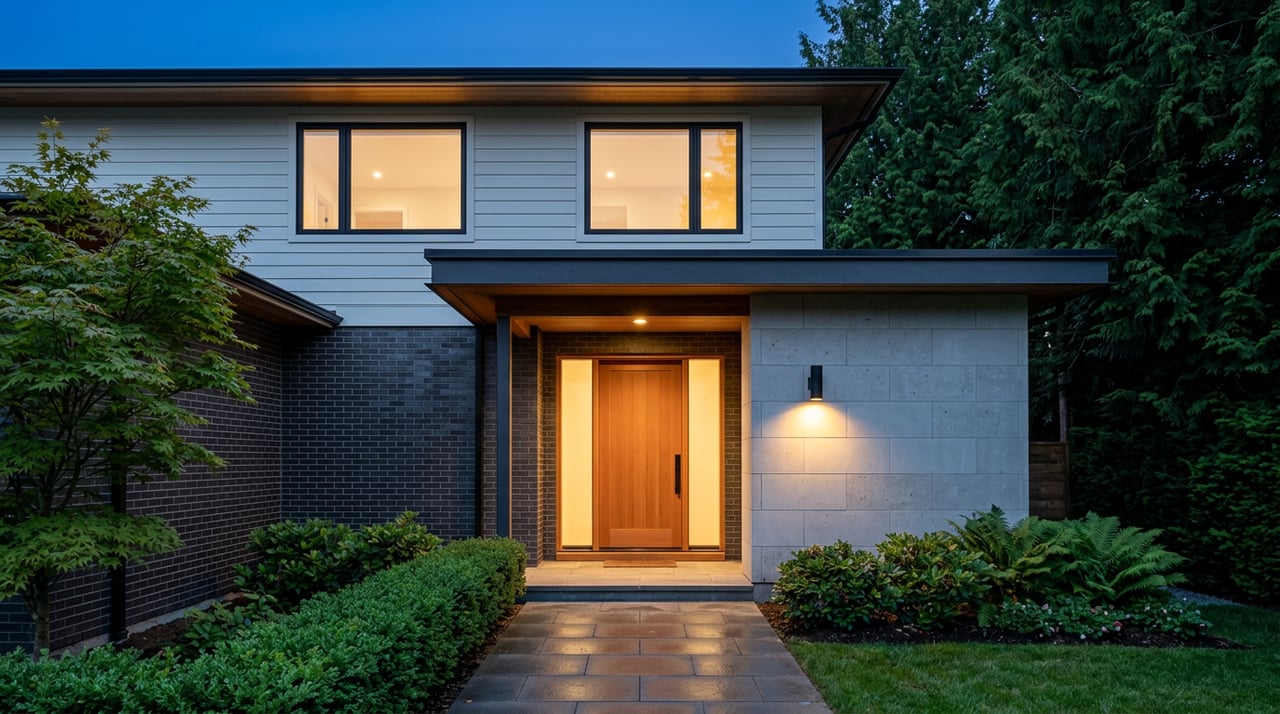
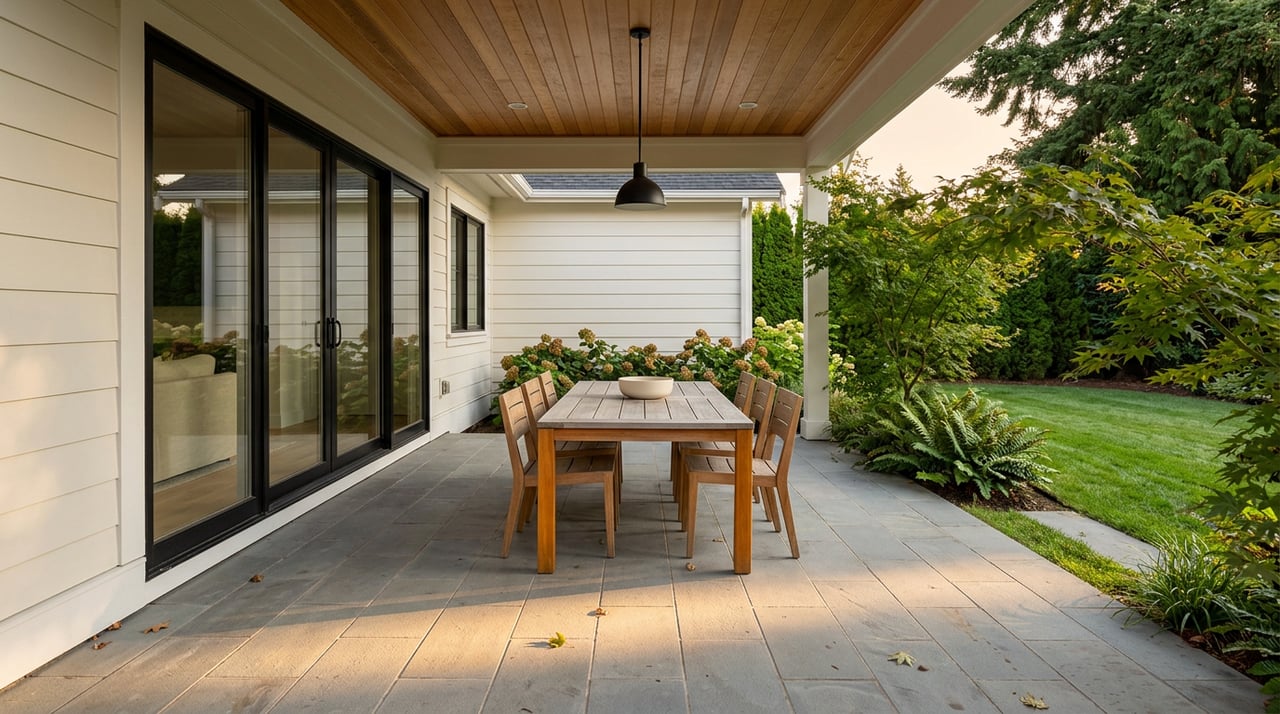
Townhomes in downtown Kirkland often offer a different kind of experience. Current examples highlight direct entries, garages, private backyards or patios, office space, and multiple levels.
That setup can work well if you want more separation between living, working, and sleeping areas. It can also feel more private if you prefer fewer shared spaces and more of a traditional home layout.
What the market snapshot suggests
As of early May 2026, Redfin shows 216 condos for sale in Kirkland with a median listing price of $485,000 and 10 townhouses with a median listing price of $775,000. That is a citywide snapshot, but it gives you a useful starting point when comparing the two property types.
Downtown listings show an even wider spread. Condo listings in Market-Downtown range from the mid-$400,000s to above $2 million, while current downtown attached-home examples place townhomes around $1.15 million to $1.2 million.
The takeaway is simple: condos tend to offer a wider range of entry points, while townhomes often sit at a higher price level in the downtown core. If budget flexibility matters most, condos may give you more options to choose from.
HOA dues matter more than many buyers expect
Monthly HOA dues are one of the biggest differences in the condo versus townhome decision. They affect your monthly payment, your maintenance responsibilities, and sometimes your future resale experience.
Recent downtown condo examples show HOA dues of $563 and $826 per month. Some listings also note that those dues may cover water, sewer, garbage, insurance, and exterior maintenance.
Downtown townhome examples show HOA dues of $448 and $615 per month. That may sound lower, but coverage can still include common-area maintenance, earthquake insurance, garbage, lawn service, and water/sewer.
Lower dues do not always mean lower upkeep
It is easy to assume a townhome automatically means fewer rules and fewer shared costs. In practice, that is not always true.
Some townhome communities still maintain exterior components or shared areas through the HOA. That means you should always ask what the dues cover instead of judging the value of the fee by the property type alone.
Higher dues can support a simpler lifestyle
Condo dues can feel steep at first glance, but they often support a more maintenance-light lifestyle. If the dues cover major shared expenses and building operations, that may reduce the number of day-to-day upkeep tasks that fall directly on you.
For some buyers, that tradeoff is worth it. If you travel often, work long hours, or simply want less hands-on responsibility, a condo may fit your routine better.
Space, storage, and privacy
If your top priority is usable private space, a townhome often has the edge. Many downtown townhomes offer garages, multiple floors, flex rooms, and some type of outdoor area.
That extra separation can make a real difference if you work from home or want room for hobbies, guests, or storage. It may also create a more natural divide between public and private spaces inside the home.
Condos tend to place more value on location, convenience, and shared amenities than on private square footage. If you are comfortable trading extra private space for walkability and a lower entry price, a condo may make more sense.
Resale and financing are not just about price
Many buyers focus first on purchase price and monthly payment. That matters, of course, but in downtown Kirkland you should also look closely at the health of the HOA and the condition of the project.
For condos especially, financing can be affected by issues such as critical repairs, inadequate insurance, pending litigation, or project conditions that make the building ineligible for some loan programs. A building with strong reserves and fewer unresolved issues is generally easier to finance and resell.
Washington law also highlights the importance of reserve studies for major maintenance and replacement planning. Those studies are meant to estimate costs for items such as roofing, painting, paving, decks, siding, plumbing, and windows.
Why reserve strength matters
A well-funded association is not just an accounting detail. It can shape whether future buyers can finance the home smoothly and whether owners are more likely to face special assessments.
That principle applies to townhomes too, even if financing can sometimes feel more straightforward than with a larger condo building. The quality of the HOA, reserve planning, insurance coverage, and maintenance history all influence future marketability.
Which option fits your goals?
A condo may be right for you if
- You want maximum walkability in downtown Kirkland
- You prefer a lock-and-leave lifestyle
- You like amenities such as secure entry, elevators, fitness spaces, or rooftop decks
- You want less direct responsibility for exterior upkeep
- You are looking for a lower typical entry point than many downtown townhomes
A townhome may be right for you if
- You want a downtown address with a more house-like feel
- You value a garage, private entry, or outdoor space
- You need more interior separation for working from home
- You want added storage or flex rooms
- You are comfortable with a higher purchase price in exchange for more private living space
Questions to ask before you buy
No matter which property type you prefer, a few questions can save you from surprises later. These questions are especially important in downtown Kirkland, where HOA structure and project condition can directly affect both lifestyle and resale.
- What exactly do the HOA dues cover?
- Is there a current reserve study, and how strong are reserves?
- Are there any special assessments planned or under discussion?
- What repairs or deferred maintenance issues exist today?
- What insurance does the association carry?
- Are there rental rules or usage restrictions you should know about?
- Is the legal property type actually a condo or a townhome?
The smart way to decide
If you are torn between the two, start with your daily life, not just the listing photos. Think about how often you travel, how much privacy you want, whether you need a garage or office, and how comfortable you are with shared amenities and shared costs.
Then compare the full monthly picture, including mortgage, dues, and likely maintenance exposure. A condo with higher dues may still be the better value for your lifestyle, while a townhome with more space may justify the higher purchase price if it better supports how you live.
In downtown Kirkland, there is no one-size-fits-all answer. The best choice is the one that aligns with your routine today and still makes sense for resale later.
If you want help comparing downtown Kirkland condos and townhomes, Nick Loveless Real Estate offers hands-on local guidance so you can weigh price, lifestyle, HOA details, and resale considerations with confidence.
FAQs
What is the main difference between a downtown Kirkland condo and townhome?
- A condo usually centers on unit ownership within a shared building, while a townhome usually offers an attached home layout with more private-feeling space, though you should always verify the legal property type in the documents.
Are HOA dues higher for downtown Kirkland condos than townhomes?
- Recent downtown examples show condo dues can be higher, but both property types may include substantial HOA coverage, so the better comparison is what the dues actually pay for.
Is a downtown Kirkland condo easier to maintain than a townhome?
- Often yes, because condo living usually shifts more exterior and common-area upkeep to the association, but the exact division of responsibility depends on the governing documents.
Do downtown Kirkland townhomes usually cost more than condos?
- Current market snapshots suggest townhomes often list at higher price points than condos in Kirkland, and downtown attached-home examples are currently around the low-$1 million range.
What should you review before buying a downtown Kirkland condo or townhome?
- You should review the HOA budget, reserve study, insurance coverage, repair history, any planned special assessments, rental rules, and the legal property classification before moving forward.