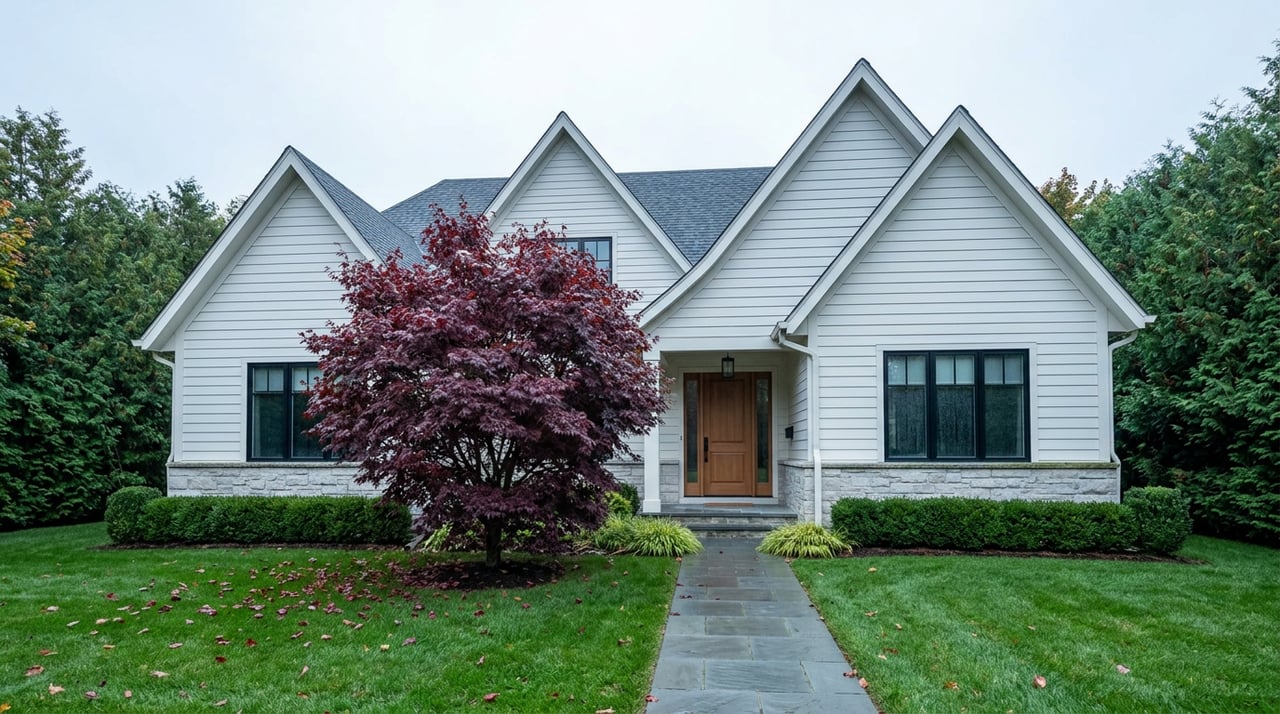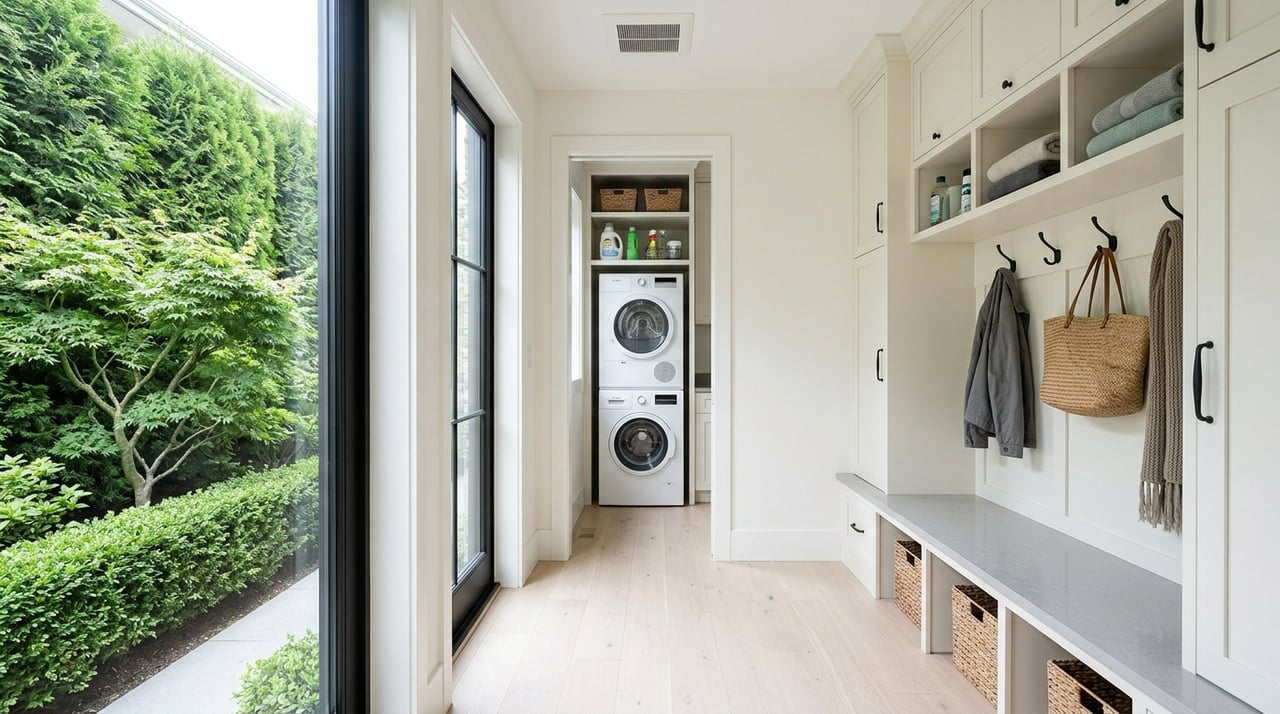
If you own a rental in Bellevue, you may be sitting on a valuable asset in one of the Eastside’s fastest-moving markets. But selling a tenant-occupied property is not the same as selling a vacant home, and the details can affect your timing, showings, paperwork, and net proceeds. This guide walks you through the key Bellevue and Washington State factors to think about before you list, so you can plan your next move with more clarity and fewer surprises. Let’s dive in.
Bellevue market conditions matter
Bellevue remains a strong, high-value market for sellers. In March 2026, the median sale price was $1.5 million, homes sold in about 8 days, and the average home received 3 offers.
That kind of pace can create opportunity if your rental is priced well and presented properly. Still, a fast market does not remove the practical challenges of coordinating showings, reviewing lease terms, and deciding whether you want to sell with the tenant in place or deliver the home vacant.
Start with the lease
Before you think about photos, staging, or timing, review the current lease and any addenda. In Washington, a tenancy for a specified term generally ends at the close of that term, while month-to-month and other periodic tenancies follow the state landlord-tenant framework and its notice rules.
That means your sale plan should be built around the actual tenancy status. A signed purchase contract does not cancel the tenant’s rights, so you should not assume a buyer can take possession on demand just because the property is under contract.
Why lease status affects your sale strategy
Your lease status shapes who your likely buyer is and how you should market the property. If the property will transfer with a tenant in place, the buyer may be another investor or a purchaser willing to work within the lease timeline.
If your goal is to deliver the home vacant, your timing should be based on the lease end date and applicable notice rules, not your hoped-for closing date. That decision is best made early, because it affects pricing, marketing, and negotiation strategy.
Understand Washington entry rules
When a rental is listed for sale, showings need to be handled carefully. Washington law allows a landlord limited entry for inspections, repairs, and showings, but the rules still protect the tenant’s use of the home.
In general, landlords must give at least 2 days’ written notice before entry. For exhibiting the unit to prospective purchasers, 1 day’s notice may be used. Entry must happen at reasonable times, and it cannot be used to harass the tenant or excessively exhibit the property.
What this means for Bellevue showings
Even in a market where homes can move quickly, access is not unlimited. If your tenant is cooperative and you create clear written showing windows, the listing process can run more smoothly.
If access is inconsistent, your marketing may lose momentum during the most important early days on market. In Bellevue, where well-prepared listings can attract quick attention, that coordination piece matters more than many owners expect.
Occupied versus vacant sales
One of the biggest decisions is whether to list the property occupied or vacant. Each path has tradeoffs, and the right answer depends on your lease timeline, tenant cooperation, and carrying-cost tolerance.
An occupied sale can preserve rental income while the property is marketed. A vacant sale is often easier to photograph, stage, show, and present consistently, but it may leave you covering the property without rent if it does not sell immediately.
Benefits of selling occupied
Selling occupied may make sense if the tenant is reliable, the lease terms are clear, and you want to avoid a gap in income. It can also appeal to investor buyers who value an existing tenancy and documented rental history.
That said, occupied sales usually require more communication and more disciplined scheduling. They also depend heavily on how well the property shows in its lived-in condition.
Benefits of selling vacant
Selling vacant can simplify the process. You can prepare the property more fully, schedule photography without tenant coordination, and allow easier showing access during the first stretch of the listing.
For some Bellevue sellers, that easier presentation is worth the carrying cost. In a high-value market, strong presentation can help a home make a better first impression and reduce friction during the launch.
Prepare the transaction file early
A rental sale usually needs more documentation than an owner-occupied sale. Gathering key records before you list can help the transaction move more cleanly once a buyer is interested.
At a minimum, it is smart to collect the lease, any addenda, rent ledger, deposit records, repair history, and copies of any notices already served. If the buyer is underwriting the tenancy, organized records can help reduce delays and confusion.
Deposits need attention at closing
Washington requires landlords to hold tenant deposits in a Washington trust account. If the landlord’s status transfers to a new owner, the deposit funds must be transferred to the successor landlord’s equivalent trust account, and the tenant must be notified of the new depository.
This is one reason the paper trail matters so much. Deposit handling is not a side detail in a rental sale. It is part of the closing process and should be addressed clearly from the start.
Plan for Bellevue closing costs and tax questions
Many rental owners focus first on sale price, but your net proceeds also depend on taxes and closing costs. In Washington, real estate sales generally trigger real estate excise tax unless a specific exemption applies, so REET should be part of your planning.
Another point that often causes confusion is Washington’s capital gains tax. The state says that tax does not apply to the sale or exchange of real estate, which can help Bellevue owners separate state rules from federal tax treatment.
Federal tax treatment is separate
For federal taxes, rental property sales can be more complex. IRS guidance says depreciation reduces your basis, and if you sell at a gain, previously claimed depreciation may be recaptured as ordinary income.
If the property was used partly as your home and partly as a rental, the gain or loss must be figured separately for the rental and personal-use portions. If you are planning a sale, it is wise to organize your records early so your tax professional can evaluate the numbers clearly.
When a 1031 exchange may matter
If you are selling an investment property and planning to buy another qualifying investment property, a 1031 exchange may be an option. IRS rules say the replacement property must be identified within 45 days and received within 180 days or by the tax return due date, whichever is earlier.
Those deadlines are strict. If an exchange is part of your plan, your sale strategy and closing timeline should be built around that from day one.
Timing matters if you are deciding whether to wait
Some owners think about holding a rental a little longer before listing. If that is your situation, Washington’s current rent-stabilization law can affect the math and timing of that decision.
According to the Washington Attorney General, many residential rent increases are capped at 7% plus CPI or 10%, whichever is less. The increase notice must be given on the state form with at least 90 days’ written notice.
That does not tell you whether to hold or sell, but it does affect how you evaluate near-term rental income. If you are comparing a few more months of ownership against listing now, timing rules like these belong in the conversation.
A practical selling plan for Bellevue owners
If you want the smoothest path, make your strategy decision early. Decide whether you are selling occupied or vacant, review the lease before listing, and build your timeline around actual legal notice and possession realities.
From there, focus on preparation. Clean documentation, compliant notice practices, thoughtful showing coordination, and strong presentation can help you take advantage of Bellevue’s fast-moving market without creating avoidable problems during escrow.
For many owners, the biggest win is not just getting the property sold. It is choosing the right path for the tenancy, the buyer pool, and your financial goals before the home ever hits the market.
If you are thinking about selling a Bellevue rental, Nick Loveless Real Estate can help you evaluate timing, presentation, and sale strategy with a hands-on, local approach.
FAQs
What should Bellevue landlords review before listing a rental property for sale?
- Review the current lease, any addenda, rent ledger, deposit records, repair history, and any notices already served so your sale plan matches the tenancy terms.
What notice is required for Bellevue rental property showings during a sale?
- Under Washington law, landlords generally must give at least 2 days’ written notice for entry, and 1 day’s notice may be used to show the property to prospective purchasers.
Can a Bellevue rental property sale cancel a tenant’s lease?
- No. A signed purchase contract does not erase the tenant’s rights, so the sale timeline should be built around the existing lease and applicable notice rules.
Should you sell a Bellevue rental property occupied or vacant?
- It depends on your lease timeline, tenant cooperation, marketing goals, and carrying-cost tolerance. Occupied sales can preserve rent, while vacant sales are often easier to prepare and show.
What taxes should Bellevue rental property owners expect when selling?
- Washington real estate sales generally involve real estate excise tax unless an exemption applies, and Washington’s state capital gains tax does not apply to the sale or exchange of real estate. Federal tax treatment is separate.
Can a Bellevue rental property sale qualify for a 1031 exchange?
- It may, if the property is held for business or investment use and the replacement property also qualifies as like-kind real property, with identification due within 45 days and receipt within 180 days or by the tax return due date, whichever is earlier.