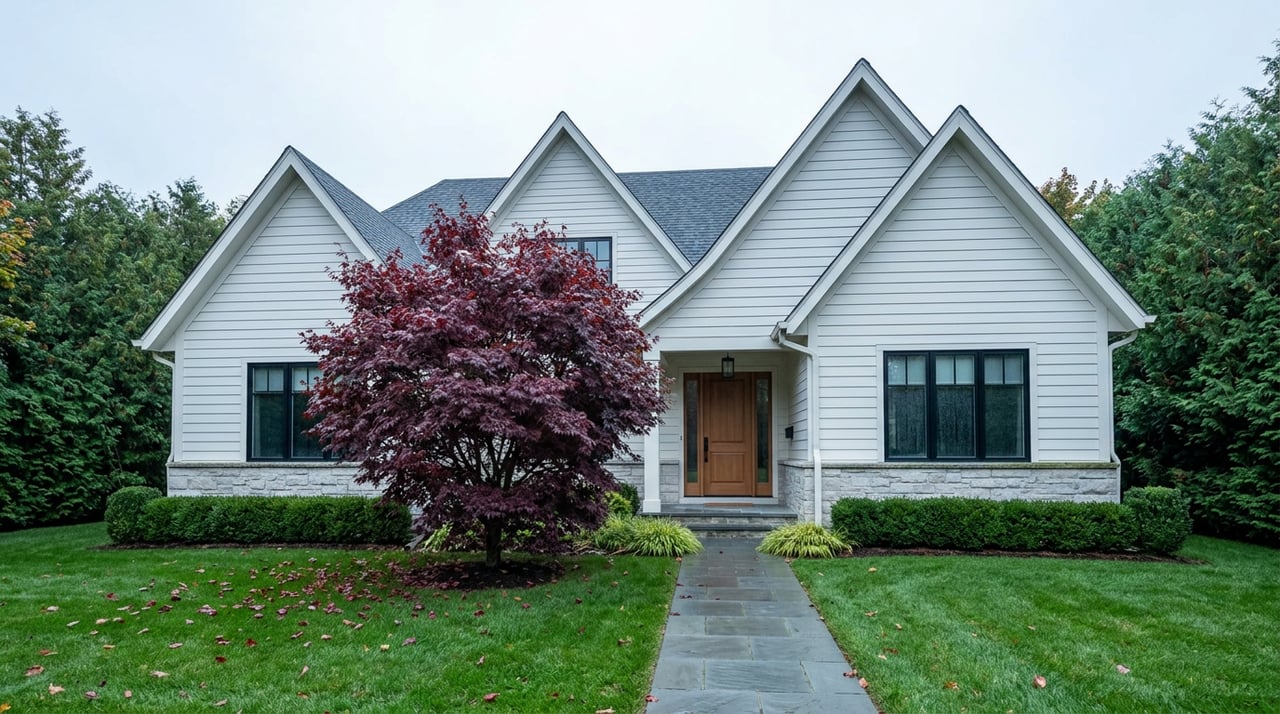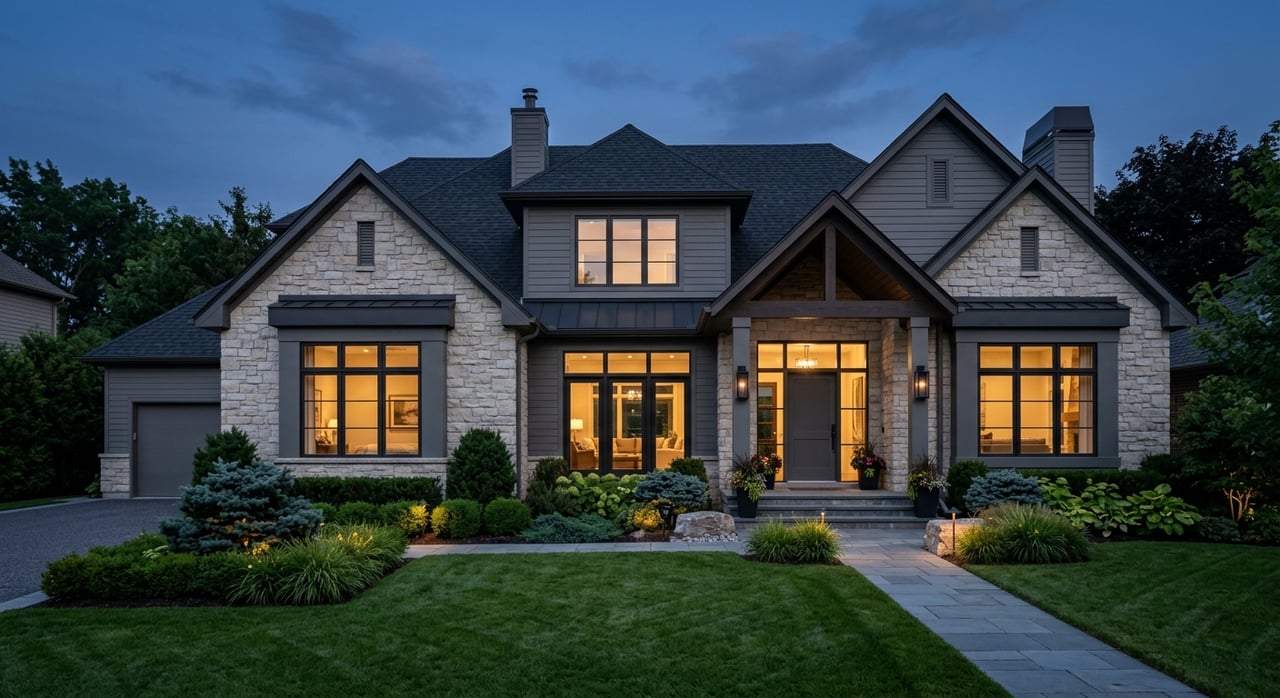
Moving for a new job can feel exciting and overwhelming at the same time. You may be trying to learn a new area, compare commute options, line up temporary housing, and buy a home on a tight timeline. In Kirkland, those choices can vary a lot from one neighborhood to the next, which is exactly why local guidance matters. Here’s how a local agent helps you make a smarter, smoother move.
Why Kirkland works for relocation
Kirkland is not a one-note city. The city plans around 14 neighborhoods plus two designated urban centers, Totem Lake and Greater Downtown Kirkland, with growth focused around mixed-use areas and transit access. If you are moving for work, that matters because your day-to-day life may depend as much on your specific pocket of Kirkland as on the city itself.
The city also identifies Downtown, Village at Totem Lake, and Juanita Village as highly walkable mixed-use neighborhoods. That can be a major advantage if you want easier errands, dining options, and more flexibility when you do not want to drive for every trip. A local agent can help you separate the idea of “living in Kirkland” from the more practical question of where in Kirkland fits your routine.
Start with your commute pattern
When you relocate for work, it is easy to focus first on the house. In Kirkland, it often makes more sense to start with the commute, then narrow your neighborhood options, then compare homes. That order can save you time and reduce surprises after move-in.
Driving patterns in Kirkland are shaped in part by SR 520 and I-405. According to WSDOT, SR 520 tolls apply in both directions and vary by time of day, while the I-405 express toll lanes operate on weekdays from 5 a.m. to 8 p.m. and are free on nights and weekends. WSDOT also notes a direct access ramp at NE 128th Street in Kirkland on I-405, which can matter depending on where you work and where you want to live.
Transit is also a real part of the picture. King County Metro routes currently connect key Kirkland areas to Bellevue, Redmond, the Spring District, South Bellevue Station, and the University District. Sound Transit’s 2 Line currently serves Bellevue and Redmond, which adds another layer of flexibility for Eastside commuters.
A local agent helps you look beyond a map pin. Instead of just asking how far a home is from your office, you can compare route choices, toll exposure, access to transit centers, and whether your routine is better served by north-south or east-west travel.
Neighborhood differences matter more than you think
Kirkland’s neighborhoods can create very different daily experiences. Two homes may both have a Kirkland address, but one may offer a more walkable lifestyle while the other may work better for I-405 access or future transit connections.
Downtown, Moss Bay, and Norkirk
This part of Kirkland is often the best fit if you want the most central, walkable, and amenity-rich version of the city. City materials highlight downtown shops, dining, parking, and attractions, while Moss Bay includes a mix of retail, office, marina, multifamily, and established residential areas. Norkirk connects into this larger downtown setting and sits near the Cross Kirkland Corridor and Market Street.
For a relocation buyer, that can mean easier access to errands and a more active daily rhythm. A local agent can help you decide whether that convenience matches your commute and home goals.
Totem Lake, Juanita, and NE 85th Street
Totem Lake is one of Kirkland’s two urban centers and includes The Village at Totem Lake, Totem Lake Transit Center, EvergreenHealth, and Totem Lake Park. Juanita sits in the central north part of the city and includes commercial centers, parks, and major travel connections. The NE 85th Street Station Area is also a major city planning focus, with housing and commercial capacity already increased and a future bus rapid transit station planned.
These areas can be especially practical if you want strong service access, healthcare proximity, or transit options. A local agent can help you evaluate what is useful today and what may become more valuable as planned transit improvements move forward.
Lakeview, Central Houghton, and Rose Hill
Lakeview stretches along Lake Washington and connects from the SR 520 interchange toward downtown. The neighborhood plan identifies Carillon Point as an employment center, which can be relevant if your work or meetings take you toward that side of Kirkland. Central Houghton includes a pedestrian-oriented mixed-use center, and the Cross Kirkland Corridor is noted as an important nonvehicular connector.
Rose Hill sits between I-405 and Redmond and ties into the NE 85th Street station area connection. If your routine involves east-west travel or frequent trips toward Redmond, this can be a useful area to study closely. A local agent can show you how these differences affect your real schedule, not just your search filters.
A local agent helps you weigh today and tomorrow
Relocating is not only about your first month in town. It is also about whether your location still works once your schedule settles in. That is why local planning and transit changes matter.
King County Metro says the RapidRide K Line is planned by 2030 to connect Totem Lake Transit Center, downtown Kirkland, downtown Bellevue, and Eastgate. Kirkland is also investing in walking, biking, and rolling through its Active Transportation Plan, including neighborhood greenways in North and South Rose Hill and a planned connection from Totem Lake to Heritage Park.
A local agent can help you think through both current convenience and future mobility. That perspective is especially helpful if you plan to stay several years and want your neighborhood choice to age well with the city’s changes.
Temporary housing can be trickier than expected
Many relocation buyers assume they can book a short-term stay, start house hunting, and sort out the rest later. In Kirkland, temporary housing is not just about preference. It is also about local rules.
The city defines short-term rentals as stays of less than 30 days and long-term rentals as 30 days or more. For single-family homes, short-term rental licensing generally requires owner or authorized-agent occupancy as a primary residence for at least 245 days per year, plus a property manager within 15 miles when the owner or agent is away. Multifamily housing is generally governed by the rules of the individual complex.
That means not every bridge-housing option will fit the city’s framework. A local agent can help you avoid choices that may not align with Kirkland’s rules and guide you toward a more compliant move plan.
Remote buying is easier with the right local support
If you are moving from outside the area, you may not be able to visit every property in person. That does not mean you have to make a blind decision. It means your search process needs to be more organized.
Washington allows remote notarial acts when the notary has the proper endorsement and uses communication technology that meets state standards. That can support remote acknowledgments, oath or affirmation acts, and signature witnessing when the lender and title company also support the workflow. In practical terms, some parts of the closing process may be handled remotely.
This is where a hands-on local broker adds real value. Nick Loveless Real Estate is positioned as a full-service, direct-involvement brokerage with strong local knowledge, negotiation skills, and remote-friendly property marketing that includes virtual-tour media on listings. For a relocation buyer, that can make it much easier to narrow options before you arrive and move forward with confidence.
What a local agent actually does for you
A strong relocation plan brings several moving pieces into one process. Instead of treating neighborhoods, commute, temporary housing, tours, and closing logistics as separate tasks, a local agent helps you connect them.
Here are a few ways that helps in practice:
- Map neighborhoods based on your work location and commute pattern
- Compare tradeoffs between walkability, transit access, and driving routes
- Flag areas tied to current and future transit changes
- Help you understand Kirkland’s temporary housing rules
- Coordinate efficient tours if you have limited time in town
- Support a remote-first search with virtual media and targeted showings
- Guide communication through negotiation and closing steps
That kind of support matters because Kirkland is detailed. The city’s maps, neighborhood plans, urban centers, and transportation options vary meaningfully across the market.
How to choose the right Kirkland fit
If you are relocating to Kirkland for work, the best approach is usually simple. Choose by commute pattern first, then by lifestyle fit, then by move logistics.
That process keeps your search grounded in how you will actually live. You can then decide whether you want the central energy of downtown-adjacent neighborhoods, the practical access of Totem Lake, the connections around Juanita, the SR 520 side of Lakeview, or the east-west flexibility of Rose Hill.
When you have local guidance, you do not have to guess which area fits your routine. You can make decisions based on how Kirkland actually works on the ground.
If you’re planning a move to Kirkland for work, Nick Loveless Real Estate can help you build a practical relocation plan around commute, neighborhood fit, temporary housing, and a smooth home search.
FAQs
How can a local agent help with a work relocation to Kirkland?
- A local agent can help you compare neighborhoods by commute pattern, explain transit and toll tradeoffs, guide you through temporary housing considerations, and coordinate an efficient home search and closing process.
Which Kirkland neighborhoods are most practical for commuters?
- Practical options depend on where you work, but many relocation buyers compare Downtown, Moss Bay, Norkirk, Totem Lake, Juanita, Lakeview, Central Houghton, and Rose Hill because each offers different access to roads, transit, and daily amenities.
What should buyers know about temporary housing in Kirkland?
- Kirkland defines short-term rentals as stays of less than 30 days, and single-family short-term rentals are subject to city licensing rules that can affect which bridge-housing options are workable.
Can you buy a home in Kirkland remotely?
- In some cases, yes. Washington allows remote notarial acts under state rules when the notary has the required endorsement and the lender and title company support the process.
Why does commute planning matter so much in Kirkland?
- Commute planning matters because neighborhood choice can affect toll exposure on SR 520, access to I-405, proximity to Metro routes, and convenience to current and future transit connections.
Is Kirkland a walkable city for relocation buyers?
- Some parts are more walkable than others. The city identifies Downtown, Village at Totem Lake, and Juanita Village as highly walkable mixed-use neighborhoods, which can be useful if you want easier access to errands and services.