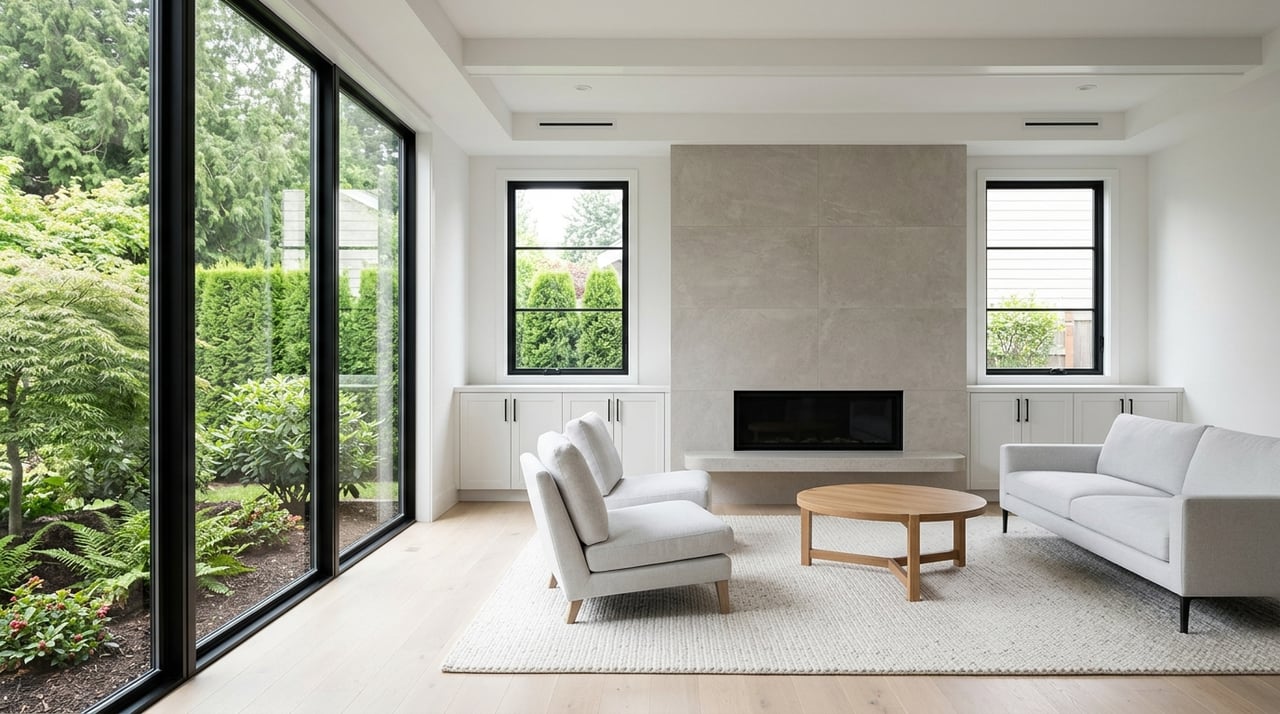
If your home no longer fits the way you live, you are not alone. In Kirkland, many homeowners are weighing a familiar question: should you keep the extra space, or move to a home that better matches your next chapter? The right answer is not always bigger or smaller. It is often about layout, location, upkeep, and how you want to live day to day. This guide will help you think through the right-sizing decision in Kirkland with a clear view of the market, your finances, and your lifestyle. Let’s dive in.
What right-sizing really means
Right-sizing is about finding a home that fits your current life, not your past one. For some people, that means moving to a larger home with more bedrooms, storage, or flexible space. For others, it means choosing a smaller home with less maintenance and a simpler routine.
In Kirkland, this decision often carries extra weight because housing costs and home values are both high. Census data shows a 2025 median value of owner-occupied homes of $1,115,400, and median monthly owner costs of $3,632 for owners with a mortgage. That means many homeowners are balancing meaningful equity with meaningful carrying costs.
Why Kirkland homeowners are rethinking space
Life changes fast, and your home may not keep up. A growing household may need another bedroom, more storage, or a better work-from-home setup. An empty nester may want fewer stairs, a smaller lot, or a home that is easier to maintain.
Kirkland also gives you very different lifestyle options depending on where you live. The city has 14 neighborhoods, and its neighborhood planning reflects differences in land use, transportation, parks, and open space. That makes right-sizing about more than square footage. It is also about whether your current neighborhood still supports your routine.
Start with how you live now
Before you think about listings, start by looking at your daily life. The most useful question is often not “How many square feet do I need?” but “Which rooms do I actually use?” A home can feel too small because of layout, or too large because space goes unused.
For many Kirkland households, hybrid and remote work still matter. Census data shows that 98.6% of households had a computer and 96.3% had a broadband subscription, which supports the idea that room-by-room function matters. You may not need a dedicated office forever, but you may need better flexibility than your current home offers.
Questions to ask yourself
- Do you need more space, or a better layout?
- Are there rooms you rarely use?
- Do stairs, yard work, or upkeep feel harder than they used to?
- Would being closer to shops, transit, or everyday services improve your routine?
- Do you want to free up cash flow, or are you willing to spend more for a better fit?
Right-sizing for a growing household
If your household is expanding, your needs may be more practical than dramatic. Extra bedrooms, storage, and a flexible room for work, homework, or guests can have a big impact on daily life. Outdoor space may also matter more than it did a few years ago.
National generational trend data from 2025 showed that buyers ages 35 to 44 were more likely to cite a desire for a larger home and a change in family situation as reasons for buying. In Kirkland, that can make a move-up decision less about luxury and more about function.
What to look for in your next home
- A layout that separates quiet and active spaces
- Storage that reduces day-to-day clutter
- A room that can serve more than one purpose
- Parking and access that fit your household routine
- Outdoor space that matches how much upkeep you want
If school attendance is part of your decision, verify Lake Washington School District assignment by address. Attendance areas can change, so it is important to confirm the current boundary for any property you are considering.
Right-sizing for empty nesters and downsizers
If your household is getting smaller, a simpler home may offer more freedom. Many homeowners reach a point where they would rather spend less time on maintenance and more time enjoying the things that matter most. That does not always mean leaving Kirkland. It may mean choosing a home in a different part of the city.
Among older buyers, national trend data found that wanting a smaller home and wanting to be closer to family or friends were common motivations. In Kirkland, downsizers often weigh lot size, stairs, parking, and maintenance against convenience, walkability, and access to amenities.
Features that may matter more now
- Fewer stairs or easier main-level living
- Lower yard and exterior maintenance
- Convenient parking and easier access
- A location closer to daily errands or social connections
- A home that lets you preserve some equity for future needs
Neighborhood fit matters in Kirkland
A right-sized home in the wrong location can still feel like a mismatch. Kirkland’s neighborhoods offer different tradeoffs, and those differences should be part of your decision early.
Greater Downtown Kirkland and Totem Lake are both identified as regional growth centers with mixed-use and transit-oriented development. Totem Lake also includes the Totem Lake Transit Center, and the planned RapidRide K Line is expected to connect Totem Lake, Downtown Bellevue, and Eastgate as early as 2030. If convenience and future transit access matter to you, those areas may feel different from neighborhoods where buyers prioritize more space, privacy, or a quieter residential setting.
Think through these location tradeoffs
- Commute patterns and daily driving needs
- Access to shops, dining, parks, and services
- Transit access today and planned improvements
- Home size versus lot size
- Privacy versus convenience
What the market means for your timing
Timing matters when you are both selling and buying. The good news is that the market appears to offer more choice than it did during the tightest years.
In May 2026, NWMLS reported that active listings across its service area were up 16.8% year over year, with 3.44 months of inventory. Its 2025 annual report showed average active listings up 34.4% from 2024 and months of supply at 2.83. That is still below the 4 to 6 months often associated with a balanced market, but it suggests buyers have more options than they did in the most inventory-starved period.
Kirkland remains a premium market. A May 2026 market snapshot showed a median sale price of $1,279,234, average time on market of about 13 days, around 2 offers per home, and a 98.7% sale-to-list ratio. For sellers, that points to the need for strong presentation and pricing. For buyers, it may mean a little more room to compare options, but not enough to be casual.
Understand your net proceeds early
One of the biggest right-sizing mistakes is focusing only on sale price. What matters is what you keep after selling costs, and how that number supports your next move.
In Washington, real estate excise tax usually applies to real property sales unless an exemption applies, and the seller usually pays it. As of May 1, 2026, the state portion is graduated at 1.10% up to $525,000, 1.28% from $525,000.01 to $1,525,000, 2.75% from $1,525,000.01 to $3,025,000, and 3% above that, with local REET added on top. In a higher-priced market like Kirkland, that can meaningfully affect your net proceeds.
Build your math around these items
- Estimated sale price
- Mortgage payoff, if any
- Washington real estate excise tax
- Local REET
- Typical closing costs
- Moving expenses
- Repairs or preparation costs before listing
- Down payment or cash needed for the next home
When you know your likely net, it becomes easier to decide whether moving improves your lifestyle enough to justify the cost.
Buy first, sell first, or coordinate both?
This is one of the most important parts of a right-sizing plan. The right approach depends on your finances, your risk tolerance, and how specific your next-home criteria are.
Selling first can give you a clearer budget and reduce financial strain. Buying first may help if you need a very specific property and want more control over your move. Coordinating both can work well when you have a clear strategy, realistic timing, and a strong understanding of local conditions.
In Kirkland, where homes can still move quickly, preparation matters. A well-planned listing strategy, realistic pricing, and a clear purchase timeline can help reduce stress on both sides of the move.
A smart right-sizing plan
The most successful moves start with clarity. You do not need to decide everything at once, but you do need to know what matters most to you.
A strong plan usually includes these steps:
- Define what is no longer working in your current home.
- Separate must-haves from nice-to-haves.
- Compare neighborhood tradeoffs, not just home features.
- Estimate your net proceeds before you shop seriously.
- Build a timing plan for selling and buying.
- Prepare your current home to compete well in today’s market.
Right-sizing is not about following a trend. It is about choosing a home that supports your next season of life with less friction and more confidence.
If you are thinking about right-sizing in Kirkland, a local strategy matters. From pricing and presentation to timing and neighborhood fit, Nick Loveless Real Estate offers hands-on Eastside guidance to help you make a smart move with clarity.
FAQs
What does right-sizing a home in Kirkland mean?
- Right-sizing means choosing a home that better fits your current lifestyle, whether that means moving to a larger home, a smaller home, or simply a home with a better layout or location.
How do I know if I need more space or a better layout in Kirkland?
- Start by looking at how you use each room day to day. If your home has enough square footage but still feels inefficient, the issue may be layout, storage, or flexibility rather than size.
How does the Kirkland market affect a right-sizing move?
- Current data suggests buyers have more choices than in the tightest recent markets, but Kirkland remains competitive, with premium prices, fast sales, and a continued need for strong pricing and presentation.
What selling costs should Kirkland homeowners plan for when right-sizing?
- Your planning should include mortgage payoff, Washington real estate excise tax, local REET, closing costs, moving expenses, and any preparation costs needed before listing.
Should I sell my Kirkland home before buying my next one?
- That depends on your budget, timeline, and comfort with risk. Selling first can create more financial clarity, while buying first may help if you need a very specific property and want more control over your move.
Why does neighborhood choice matter when right-sizing in Kirkland?
- Kirkland’s neighborhoods differ in transportation, housing patterns, access to amenities, and overall lifestyle tradeoffs, so the right home should also be in a location that fits your next chapter.